Your meetings, SOPs, payer rules, compliance deadlines, and management follow-ups shouldn't live in your memory. PracticeOS turns them into a system your team can run on — so your practice keeps moving without everything routing through you.
Right now, the way your practice actually operates lives in your head, scattered docs, old meeting notes, and manager chats. That works until you grow. Then things start breaking.
Your billing lead quits and takes half your payer knowledge with them. Old SOPs contradict new ones. Nobody knows which version is right.
You make a decision on Monday. By Friday, nobody remembers who owns it. Accountability depends on you chasing people, not on systems.
A credential expires. A payer changes a rule. A compliance deadline passes. You find out when a claim gets rejected or an audit notice arrives.
Think of PracticeOS as three layers that build on each other.
One place for everything your practice knows: payer rules, policies, SOPs, workflows, past decisions, and open risks. Every fact links back to where it came from.
Meetings get processed automatically. Action items get assigned. Overdue tasks get escalated. You get a daily brief every morning. The practice keeps moving without you chasing everyone.
Nothing changes silently. Sensitive outputs are flagged for human review. There are clear boundaries around clinical, legal, and billing decisions. You stay in control.
The best initial fit is a founder-led practice with 5–50 providers, multiple managers, payer complexity, and operational knowledge scattered across meetings, documents, and people.
Multi-provider groups, SPRAVATO/ketamine programs, interventional mental health
Multi-disciplinary behavioral health teams, group practices with multiple managers
Pain management, dermatology, interventional specialties, multi-service practices
General, specialty, and multi-location dental groups with payer complexity
Outpatient clinics, sports rehab, multi-site PT groups
Independent practices, collaborative agreements, growing clinics
Check any that sound familiar. If you hit 3 or more, PracticeOS was built for practices like yours.
The same 7-area operational checklist we use in our paid diagnostic. Score your practice in 15 minutes. Find the gaps before they find you.
The Practice Operations Diagnostic Checklist
42 questions across 7 operational domains · Scoring guide · Free PDF
No spam. We'll send the PDF and one follow-up. That's it.
Every morning, your practice's operating mind has already reviewed yesterday, surfaced risks, and prepared today's priorities.
Synthesized daily report: risks, wins, action items due, compliance status, patterns detected overnight.
Every meeting processed automatically. Decisions logged. Action items assigned with owners and deadlines. Searchable forever.
Training, payer rules, credentialing, employment policies — continuously monitored with automated alerts and task creation.
Denial trends, no-show patterns, utilization gaps, referral shifts — dots connected across all your systems.
Payer denial intelligence, appeal tracking, AR aging alerts. Your mind watches every dollar so you don't have to.
Director scorecards, action item tracking, overdue escalation. Accountability without micromanagement.
Most healthcare AI products automate tasks. PracticeOS preserves and operationalizes the knowledge layer those tools don't see.
Representative outputs based on a live multi-location practice. Exact workflows vary by implementation.
Daily intelligence synthesis
Auto-extract decisions & tasks
Regulatory awareness
Denial tracking & appeals
Staff KPI tracking
Nothing falls through
PracticeOS was developed inside a founder-led behavioral health practice scaling from one provider to 20+ across 3 locations.
Directly attributable to PracticeOS
Practice-level outcomes (combined operational factors)
A board-certified psychiatrist was scaling a multi-location practice while holding every operational thread: clinician, CEO, compliance officer, HR manager, billing supervisor. The practice was growing, but so was the founder bottleneck.
With 20+ providers across 3 locations and 4 service lines, the practice needed operating memory that could scale without adding administrative headcount.
"I was spending more time holding my practice's operational knowledge in my head than seeing patients. I needed something that could remember the practice the way I do — but 24/7, without forgetting anything."
Intentionally conservative. Trust is built through constraints, not claims.
Designed around de-identified operational data where possible. BAAs and approved workflows used when PHI exposure is unavoidable.
Clinical, legal, HR, payer, and compliance-sensitive outputs are flagged for review rather than silently changed by an AI agent.
Decisions, metrics, and recommendations point to the source: meeting note, policy document, report, payer rule, or human approval.

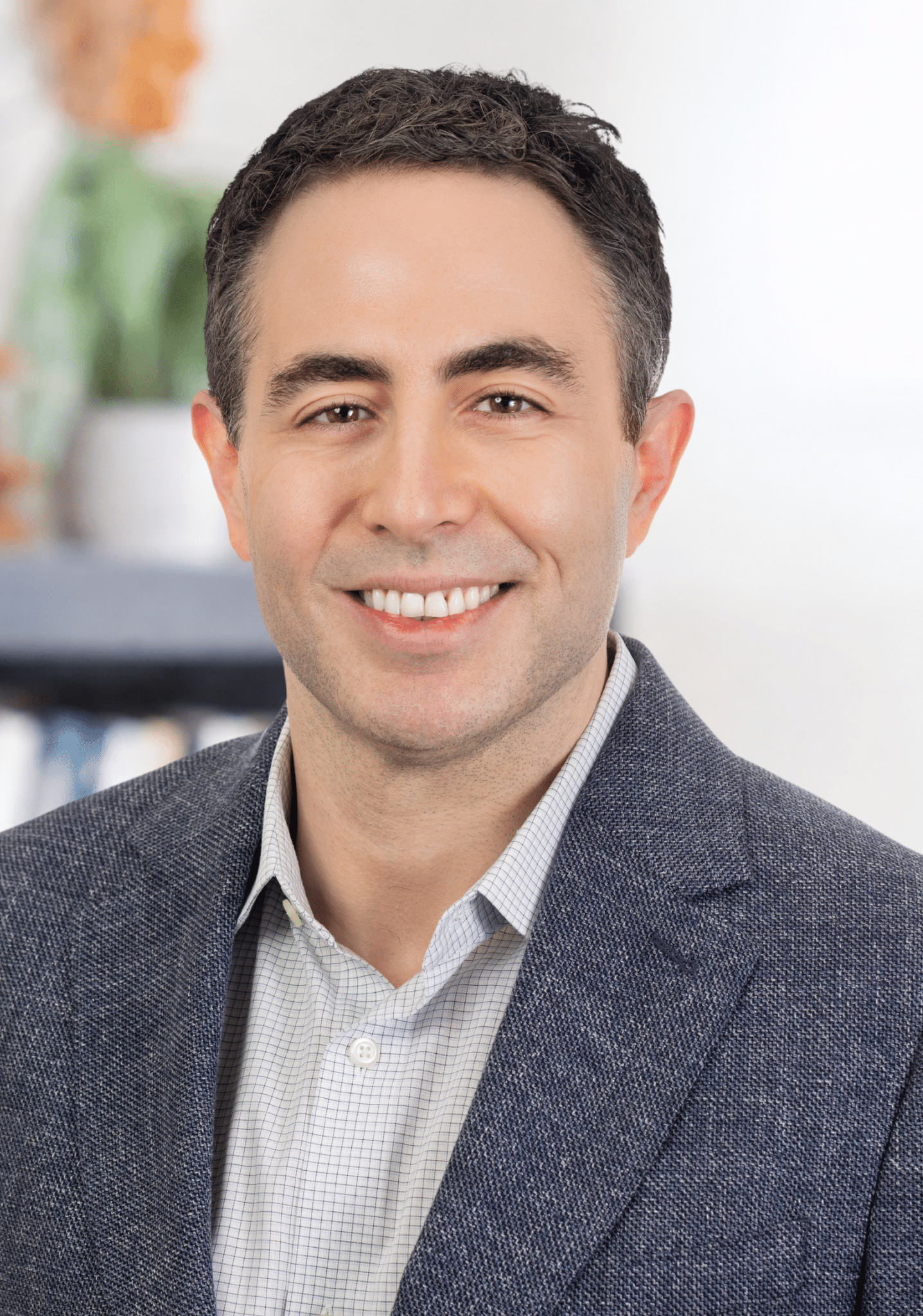
"I built PracticeOS because my practice was scaling faster than our operating memory. Meetings, payer rules, SOPs, compliance tasks, and management decisions were scattered across people and tools. I needed a system that could preserve context, surface risk, and keep follow-up moving — without everything routing through me."Dr. Joshua Flatow, MD Board-certified psychiatrist · Founder & CEO, Pacific Mind Health
Start with a $349 self-serve kit or jump straight to a hands-on diagnostic. An in-house operations consultant runs $150–200K/year — every tier here is a fraction of that.
Simple math: If we recover just 1 missed appointment per provider per month at $200 average revenue, a 10-provider practice recovers $24,000/year. The Kit pays for itself in 6 days.
Build it yourself with our proven templates
Map where your operations break down
We build the operating system with your team
Ongoing strategic intelligence retainer
We provide a documented PHI-minimization architecture, BAAs where PHI exposure is unavoidable, and a compliance package your attorney can review. The recommended deployment minimizes PHI exposure by design and documents every data flow. Your compliance team gets concrete answers, not "it depends."
No. PracticeOS is configured around your existing stack. Depending on your tools and permissions, implementation may use approved APIs, secure exports, shared document repositories, meeting transcripts, CRM/task data, or manual review workflows. It reads from your systems — it doesn't replace them.
The best initial fit is founder-led behavioral health, psychiatry, therapy groups, and specialty medical practices with 5–50 providers. After diagnostic review, the system adapts to dental, PT, primary care, and other outpatient groups with payer and operational complexity.
Your EHR shows clinical and billing data. PracticeOS thinks about how your business runs. It synthesizes across all your systems — EHR, CRM, phones, meetings, email, project management — and surfaces operational intelligence no single system can see.
The PracticeOS Diagnostic takes 1–2 weeks. A full managed buildout runs 4–6 weeks, including vault architecture, integrations, training, and initial deployment. Intelligence starts flowing from week one.
Because the problem is cognitive, not technical. Practice owners are overwhelmed not by lack of tools, but by lack of synthesis. Dr. Flatow built PracticeOS while scaling his own multi-location behavioral health practice — it solves the exact founder bottleneck he lived through.
PracticeOS is not an EHR, billing system, clinical decision support tool, AI scribe, or chatbot. It does not diagnose, treat, or provide clinical recommendations. It is the operating memory and leadership execution layer above your tools — source-linked, reviewable, and designed for founder-led practices.
Best fit: founder-led practices with 5–50 providers, multiple managers, payer complexity, and scattered SOPs/meetings/workflows.
Short form. No clinical information. No patient identifiers. Operational inquiries only.
PracticeOS — AI operating memory for founder-led practices
Get my 90-day roadmap →